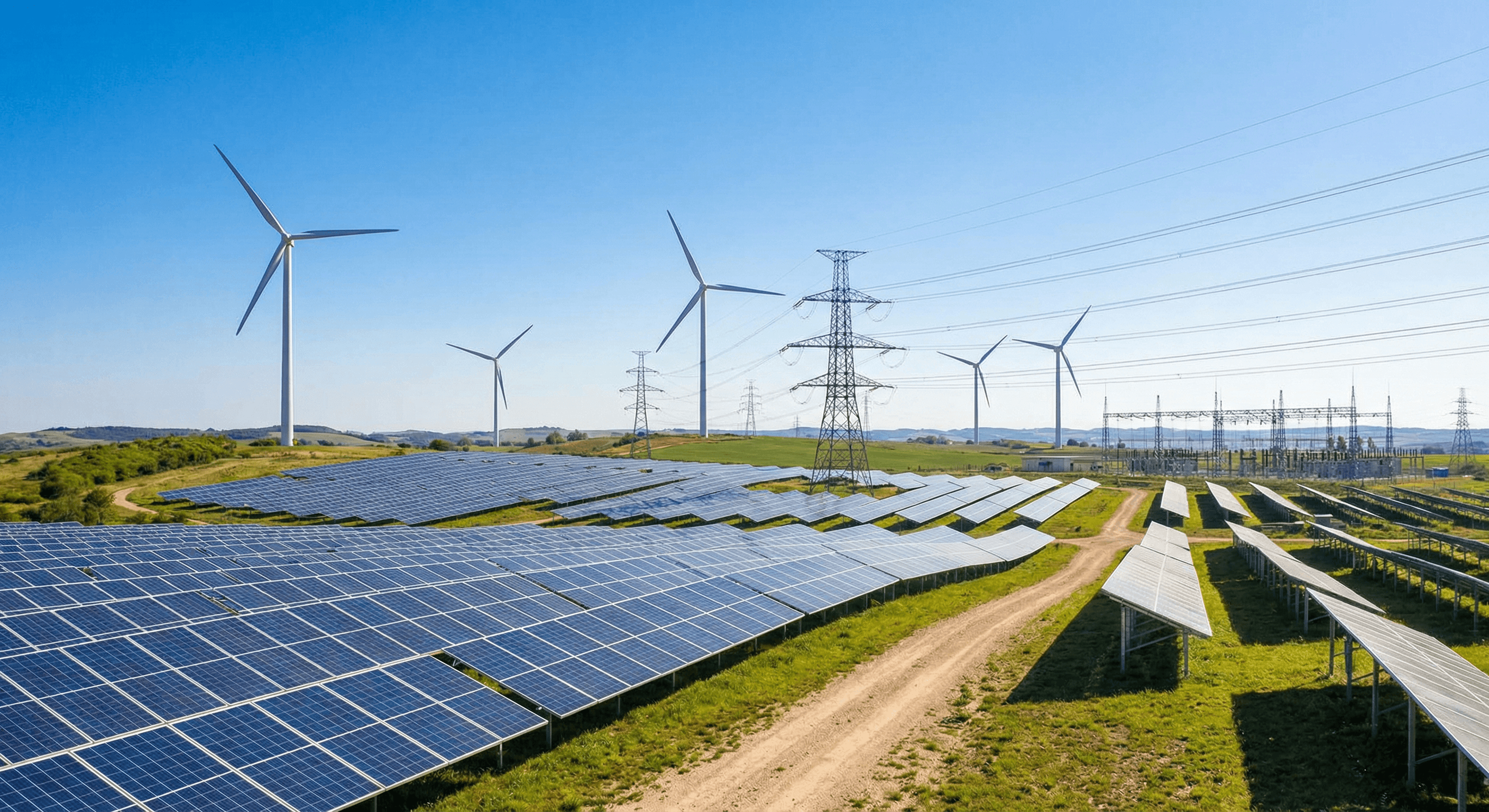
Renewable Energy Integration: Challenges and Solutions
The global transition to renewable energy is accelerating, driven by climate concerns and technological advances. However, integrating renewable energy sources like solar and wind into existing power grids presents unique challenges that require innovative solutions.
The Renewable Energy Landscape
Renewable energy capacity is growing rapidly worldwide, and UAE is no exception. The government has set ambitious targets for renewable energy adoption, recognizing its importance for energy security and environmental sustainability.
Current Status in UAE
- Solar power installations are expanding across the country
- Wind energy potential is being explored, particularly in coastal areas
- Hydropower continues to contribute to the energy mix
- Biomass and biogas projects are gaining traction
Key Integration Challenges
1. Variability and Intermittency
Unlike conventional power plants, renewable sources like solar and wind are variable and intermittent. Power output depends on weather conditions, creating challenges for grid stability.
Solution: Advanced forecasting systems, energy storage, and flexible generation resources help manage variability.
2. Grid Stability
High penetration of renewable energy can affect grid frequency and voltage stability, particularly when renewable generation suddenly changes.
Solution: Modern grid management systems, including SCADA and advanced control algorithms, maintain stability even with high renewable penetration.
3. Transmission Infrastructure
Renewable energy sources are often located far from load centers, requiring significant transmission infrastructure investments.
Solution: Strategic planning and investment in transmission networks, including HVDC technology for long-distance power transfer.
4. Energy Storage
Storing excess renewable energy for use during low-generation periods is crucial for maximizing renewable energy utilization.
Solution: Battery energy storage systems (BESS), pumped hydro storage, and emerging technologies like hydrogen storage.
Enabling Technologies
Smart Grid Infrastructure
Smart grids are essential for managing the complexity of renewable energy integration. They provide:
- Real-time monitoring and control
- Automated demand response
- Distributed energy resource management
- Advanced metering infrastructure
Advanced Forecasting
Accurate prediction of renewable energy generation enables better grid planning and operation:
- Weather forecasting integration
- Machine learning algorithms
- Real-time generation monitoring
- Probabilistic forecasting methods
Flexible Generation
Maintaining grid reliability requires flexible generation resources that can quickly respond to renewable energy fluctuations:
- Fast-ramping gas turbines
- Hydropower with storage
- Demand response programs
- Battery storage systems
Le Impact's Role
Le Impact provides comprehensive solutions for renewable energy integration:
SCADA Systems
Our SCADA platforms enable utilities to monitor and control renewable energy installations in real-time, ensuring optimal performance and grid stability.
Substation Automation
Automated substations can quickly respond to changes in renewable generation, maintaining power quality and reliability.
Communication Infrastructure
Robust communication networks connect renewable energy sites to control centers, enabling coordinated operation across the power system.
Integration Services
We provide end-to-end integration services, from planning and design to implementation and commissioning.
Best Practices
Successful renewable energy integration requires:
1. Comprehensive Planning: Detailed studies of grid impacts and requirements
2. Stakeholder Collaboration: Coordination between utilities, regulators, and renewable developers
3. Technology Investment: Modern grid infrastructure and control systems
4. Regulatory Support: Policies that encourage renewable energy while ensuring grid reliability
5. Continuous Monitoring: Real-time oversight of renewable generation and grid conditions
The Path Forward
UAE's renewable energy future is promising, but realizing this potential requires addressing integration challenges head-on. With the right technology, planning, and expertise, the country can achieve its renewable energy goals while maintaining a reliable and efficient power system.
Conclusion
Renewable energy integration is complex, but the benefits—environmental sustainability, energy security, and economic development—make it essential. Le Impact is committed to providing the technology and expertise needed to make UAE's renewable energy transition a success.
Together, we can build a cleaner, more sustainable energy future for generations to come.