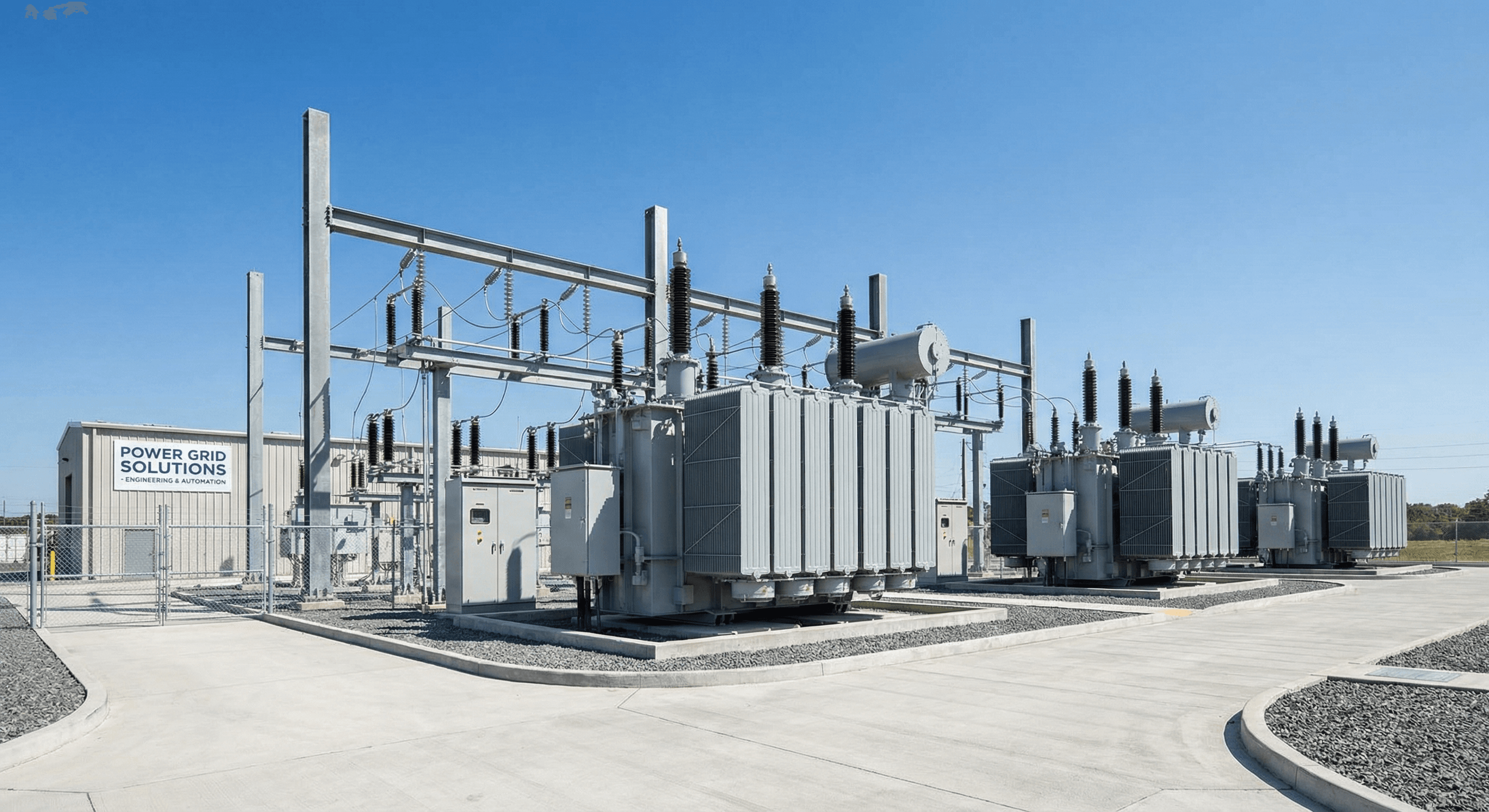
Substation Automation: Benefits for Modern Power Systems
Substation automation has emerged as a cornerstone technology for modern power systems. By integrating intelligent electronic devices (IEDs), communication networks, and advanced software, substation automation systems (SAS) are revolutionizing how electrical substations operate.
Understanding Substation Automation
Substation automation involves the use of digital technology to monitor, control, and protect electrical substations. These systems replace traditional electromechanical relays and manual operations with intelligent, networked devices that communicate using standardized protocols like IEC 61850.
Core Components
1. Intelligent Electronic Devices (IEDs)
IEDs are the building blocks of substation automation. They perform protection, control, and monitoring functions while communicating with other devices and the central control system.
2. Communication Networks
Modern substations use high-speed Ethernet networks to enable real-time data exchange between devices, ensuring coordinated operation and rapid response to system events.
3. SCADA Integration
Substation automation systems integrate seamlessly with SCADA platforms, providing operators with comprehensive visibility and control over the entire power network.
Key Benefits
Enhanced Reliability
Automated protection schemes can detect and isolate faults in milliseconds, preventing cascading failures and minimizing outage duration.
Reduced Operational Costs
Automation reduces the need for manual interventions and on-site personnel, lowering operational expenses while improving safety.
Improved Asset Management
Continuous monitoring of equipment health enables predictive maintenance, extending asset life and preventing unexpected failures.
Better Data Analytics
Automated systems generate vast amounts of data that can be analyzed to optimize operations, identify trends, and support decision-making.
Faster Fault Resolution
Automated fault location and isolation significantly reduce restoration time, improving customer satisfaction and reducing revenue loss.
Implementation Considerations
Successfully implementing substation automation requires careful planning:
- Standards Compliance: Adherence to IEC 61850 and other relevant standards
- Cybersecurity: Robust security measures to protect critical infrastructure
- Training: Comprehensive training programs for operations and maintenance staff
- Integration: Seamless integration with existing systems and infrastructure
Le Impact's Expertise
At Le Impact, we specialize in designing and implementing comprehensive substation automation solutions. Our team has extensive experience with IEC 61850-based systems, ensuring that our clients benefit from the latest technology and best practices.
We provide end-to-end solutions, from initial design and engineering to installation, commissioning, and ongoing support. Our approach ensures that automation systems are tailored to each client's specific needs and operational requirements.
The Future of Substations
As power systems become increasingly complex and renewable energy penetration grows, substation automation will become even more critical. Future developments will include:
- Artificial Intelligence: AI-powered analytics for predictive maintenance and optimization
- Edge Computing: Distributed intelligence for faster decision-making
- Advanced Visualization: Augmented reality for maintenance and training
- Increased Interoperability: Seamless integration across multi-vendor environments
Conclusion
Substation automation is no longer optional—it's essential for utilities that want to remain competitive, reliable, and efficient. By embracing these technologies, power companies can build more resilient grids that meet the demands of the 21st century.